What should you eat in Milan? A curious introduction to the Milanese table
Start eating in Milan by asking a local question: what does this menu tell me about this city? Familiar Italian dishes can be delicious here, but familiarity alone does not make them Milanese. Give yourself permission to try one regional specialty thoughtfully, rather than assembling an oversized tasting checklist. A well-chosen meal often says more about a place than a succession of hurried snacks photographed between attractions.
The first practical decision is appetite. Do you want a leisurely restaurant meal, a guided tasting walk or a class where making food becomes the activity? These are different uses of time and money. Match the format to your day, and check portions and inclusions before booking. A tasting tour after a substantial lunch is not always the generous idea it initially sounds.
Let saffron introduce the city
The city’s overview of traditional dishes identifies risotto alla Milanese, cotoletta, ossobuco and panettone among its culinary signatures. That is a useful short vocabulary for reading menus. You do not need to order every one, and you should not assume that any single restaurant offers them all in the form you expect.
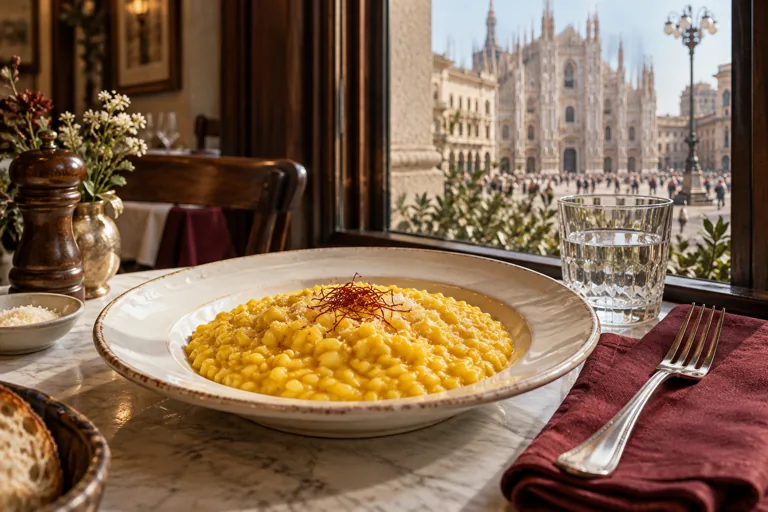
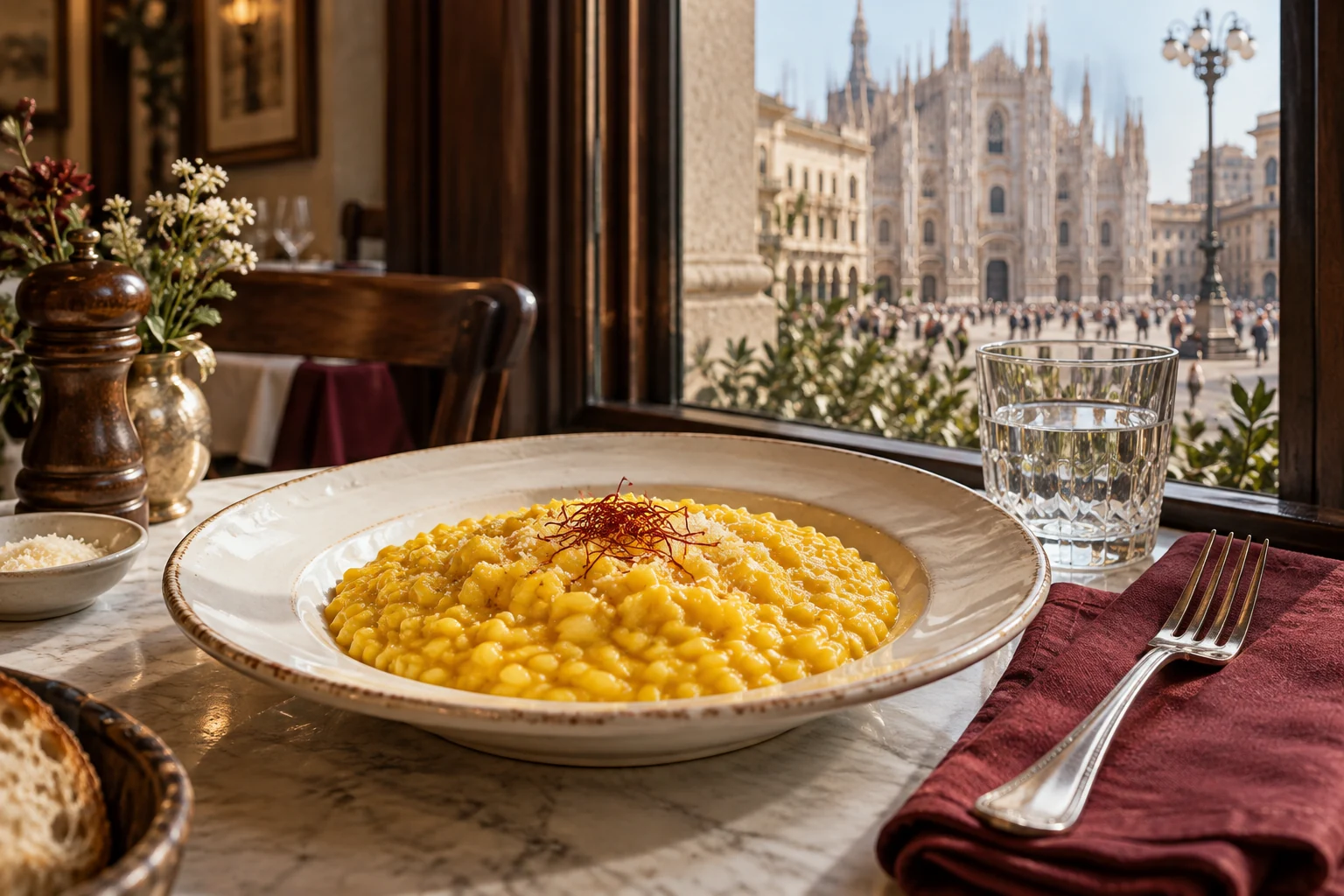
Saffron gives the risotto its recognizable color, but look beyond the photograph. Pay attention to the relationship between the individual rice grains and the surrounding texture, and to how the dish feels as it cools. The official risotto introduction describes a tradition that can involve meat stock, butter and cheese. Anyone with dietary restrictions should ask specific questions rather than assuming that a plate without visible meat is vegetarian.
Read the menu as a conversation
If a dish is unfamiliar, ask what the portion includes and how it is normally served. A short, polite question can be more useful than relying on a translated label. Check whether accompaniments are included or ordered separately, and read the full menu for additional charges. Choosing confidently does not require pretending that you already understand every local convention.
Allergies deserve more precise communication than general preferences. Contact a tour provider before booking if you need an accommodation, and verify it again with the people serving the food. A guide’s enthusiasm for local traditions cannot establish that a kitchen can safely meet a particular need. If the answer is unclear, choose a format that can give you the information required for a comfortable meal.
Use a food walk for more than eating
A good tasting walk connects food with streets, shops and social habits. Look for the itinerary’s balance between explanation, walking, standing and sitting. Consider group size and whether drinks are optional or part of the price. Reviews can help you understand the pace, but your own preferences should decide whether several smaller stops sound enjoyable.
Our dining experiences include different approaches, while the class-versus-tour guide helps compare them. A cooking class may focus on broadly Italian pasta rather than a specifically Milanese dish; that can still be a worthwhile experience if it matches what you want to learn. Honest expectations make for better bookings.
Leave room for the ordinary meal
Not every meal needs to carry the weight of cultural research. Sometimes a simple lunch near your next appointment is the considerate choice. The trick is to avoid letting convenience determine every meal by default. Choose one occasion for a regional dish, then allow the rest of the day to respond to energy, weather and conversation.
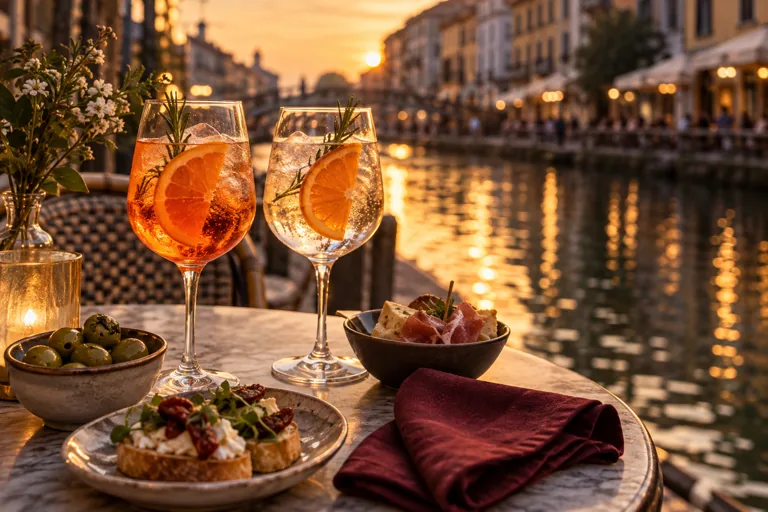
If your trip continues south, compare Milan’s table with Rome’s food experiences rather than treating Italian cooking as one uniform menu. That contrast can be one of the pleasures of traveling between cities. Back in Milan, our aperitivo guide offers another way to encounter local social life. A satisfying food day combines curiosity with enough space to actually enjoy what is on the table.
Consider keeping a small food notebook with the dish name, the ingredients you learned about and one thing you noticed. You do not need to award scores or reproduce a restaurant review. A few concrete notes make it easier to compare regional traditions later and to remember what you would like to try cooking at home.
Sources & further reading
Turn a good read into a great day.
Find a highly rated Milanese experience that brings these stories to life.
Explore related experiences →