Three ways to build a Milan afternoon around lunch
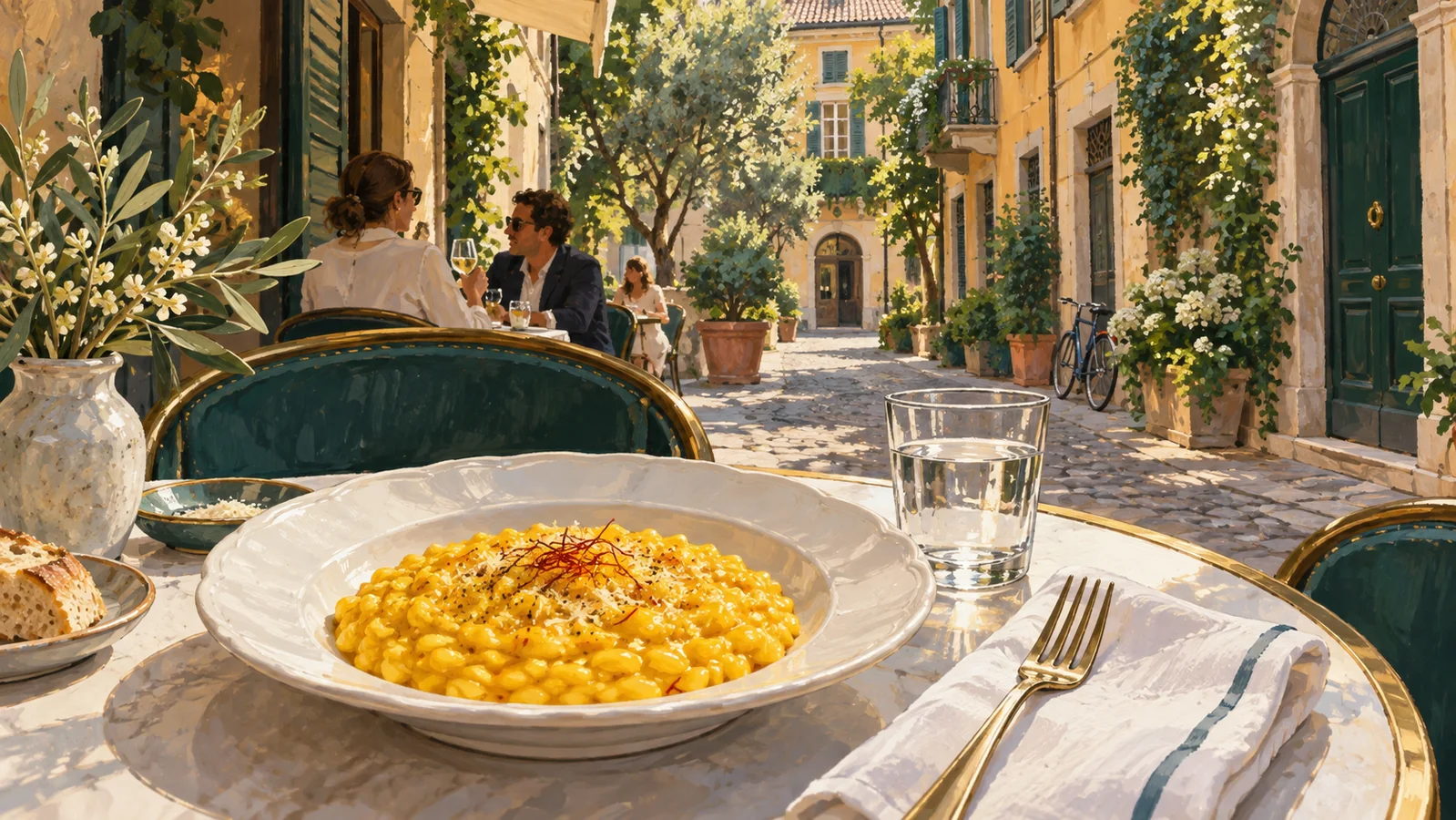
A good Milan afternoon can begin with a very small decision: where would you like to sit down for lunch? Put that neighborhood near the center of your plan and the city becomes easier to read. You spend less time crossing it with one eye on the clock and more time noticing doorways, shop windows and the excellent social invention of an unhurried table.
These three approaches are suggested ways to organize your time, not fixed routes or restaurant endorsements. Choose one according to your appetite for art, walking or conversation. Our one-day Milan plan provides the wider framework; here, lunch gets to be the anchor.
Brera: lunch followed by one good look
Brera suits an afternoon in which a meal and a cultural stop share the attention. YesMilano's official neighborhood guide connects the district's art, cafés, food and small streets, including the area around Via San Marco. Use that relationship rather than trying to string together every famous sight in central Milan.
Choose lunch first, allowing enough time to order and eat without racing toward a reservation. If the Pinacoteca is your main event, check its current admission arrangements and plan the meal around your actual slot. If you only want a neighborhood walk, let lunch run a little longer and keep the afternoon flexible. The same streets can support two very different levels of commitment.
After eating, give yourself a simple looking task: find an interesting doorway, a courtyard visible from public space, and a detail that feels unmistakably contemporary. Do not assume that an open-looking entrance is public. Our Brera walking guide offers a way to slow down without turning the district into a checklist.
The Navigli: a meal with a longer waterside pause
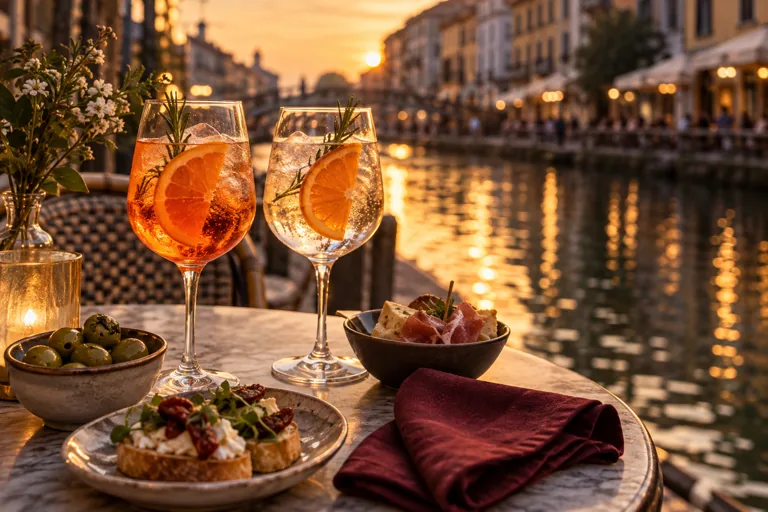
The canals suggest another rhythm. YesMilano's city introduction presents the Navigli as a neighborhood where food, water and evening sociability meet. That does not mean you must wait until dark. An afternoon here can be about looking at the relationship between the water and the buildings, then deciding whether to stay into the evening.
For this version, avoid making lunch merely the first stop in an all-day tasting marathon. Order what you will enjoy, leave time to digest and take a short walk afterward. You can decide later whether an aperitivo appeals. A drink with food is not automatically a substitute for a restaurant dinner, and the format varies between venues; ask what is included before ordering.
Read our guide to Milan aperitivo if you want to connect the afternoon with an evening stop. If the group is tired, end after lunch and a stroll. A successful plan is not measured by how late it finishes. Keep waterside paths clear and choose a proper place to pause rather than blocking a bridge for photographs.
A food experience: let lunch be the activity
The third approach is to reserve a food tour or cooking class and build very little around it. This works particularly well when the group wants conversation and shared activity more than another monument. A class may involve standing, preparation and a meal; a tasting walk may involve several stops and considerable walking. Neither format should be treated as a universal fit.
Check the meeting point, finish location, duration, portion expectations and dietary arrangements on the exact option. Ask about substitutions before paying, especially when an allergy or a strict dietary requirement is involved. The word vegetarian, for example, does not answer questions about every ingredient or how a kitchen handles cross-contact. The operator needs your specific question.
Our Milan dining experiences let you compare the formats. Leave the period immediately afterward open, rather than booking a second meal or a distant timed attraction. A little flexibility is especially useful when an experience ends in a neighborhood you have not yet explored.
Make room for the city's own food vocabulary
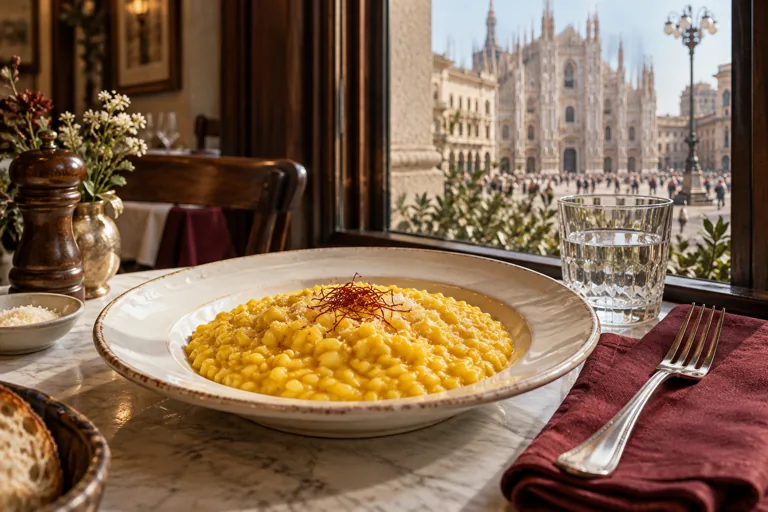
Use lunch to try one dish you are curious about, then pay attention to how it is presented and what accompanies it. You do not need to order a complete procession of courses to take food seriously. Read the menu, ask what is seasonal, and choose an amount that suits the rest of your day. Our introduction to the Milanese table is a useful starting point.
If your journey continues to Bologna, compare the experience with Bologna's pasta traditions rather than expecting the same menu everywhere. That small change of attention makes a multi-city trip richer. In Milan, choose the neighborhood, choose the meal, and give the afternoon enough space to become its own memory.
Sources & further reading
Turn a good read into a great day.
Find a highly rated Milanese experience that brings these stories to life.
Explore related experiences →