Cooking class or food tour: which Milan experience suits you?
Choose a cooking class if you want to make something and understand a process; choose a food tour if you want tastes connected with streets, shops and neighborhood stories. That is the simplest distinction, but it is only a starting point. Classes vary in how hands-on they are, while tours vary in walking, sitting and the amount of food. The specific itinerary matters more than the broad label.
Begin with the people in your group. Does everyone enjoy handling ingredients, or would some prefer to observe and talk? Would a sequence of stops feel lively or tiring? Are there dietary needs that must be confirmed in advance? These questions are more useful than asking which format is universally better. A highly rated experience still needs to fit the people who will attend it.
Look closely at the menu
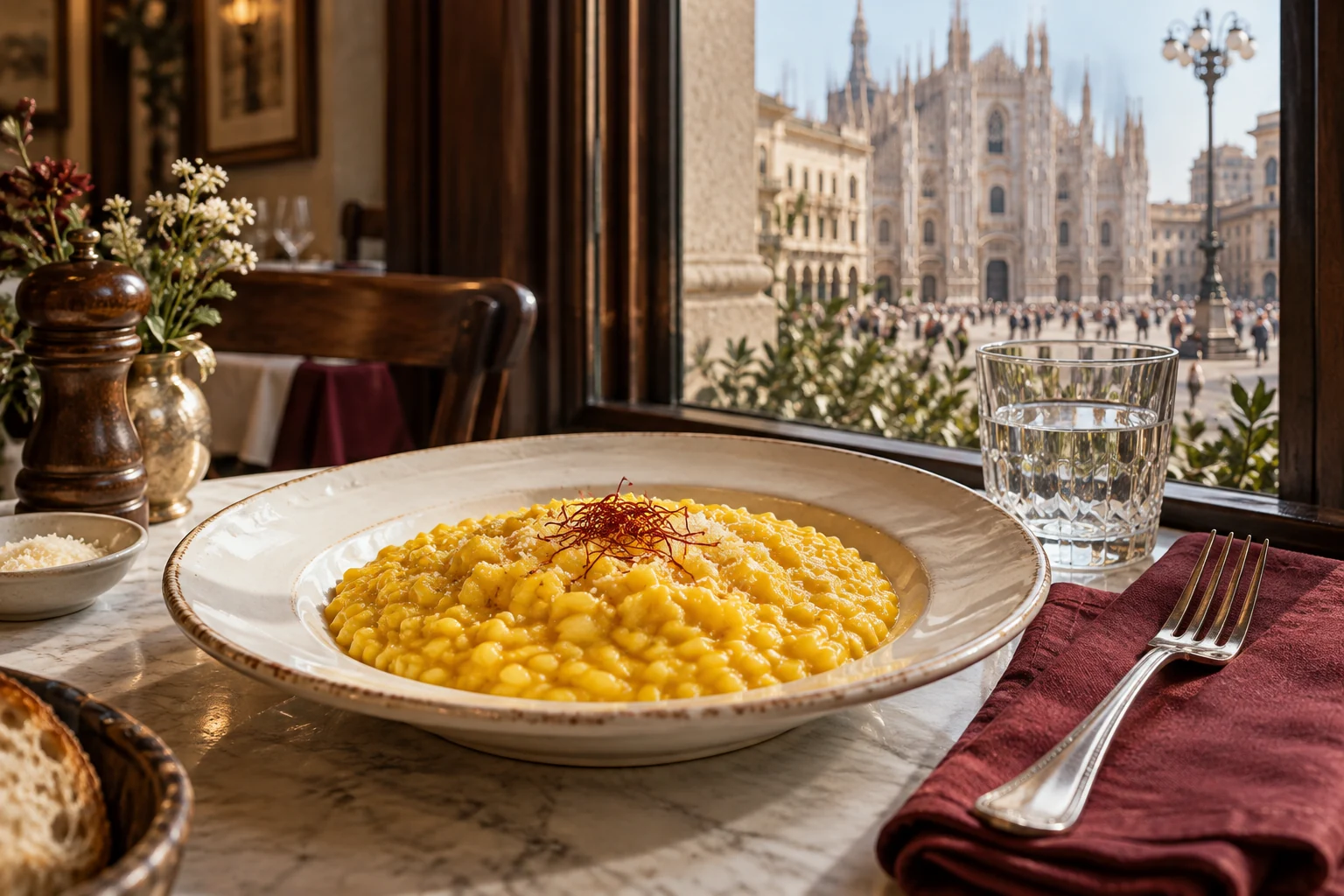
A Milan class may teach pasta, pizza or another broadly Italian dish rather than a specifically Milanese specialty. That can be excellent if it is what you want to learn. Simply distinguish the place where the class happens from the culinary tradition it teaches. The city’s food introduction offers a short reference point for local dishes when regional specificity matters to you.
Ask what participants prepare themselves, what is demonstrated and what is served ready-made. Check whether the meal and drinks are included and whether recipes are supplied afterward. If you hope to repeat the dish at home, consider whether the method uses equipment or ingredients you can realistically obtain. A useful class leaves you with understanding, not just a photograph of a finished plate.
Understand the physical rhythm
For a cooking class, look for information about standing, seating, workspace and group size. A domestic kitchen may create an intimate atmosphere but have different access arrangements from a teaching studio. Contact the provider with specific mobility questions rather than assuming that an indoor activity is automatically comfortable for every traveler. The relevant details are often practical and easy to clarify before booking.
For a food walk, examine the route and number of stops. Ask whether tastings are eaten standing or seated and how much time is spent walking between them. Weather may matter even when food is the main theme. A good operator’s description should help you imagine the actual afternoon, not merely make each stop sound delicious in isolation.
Treat dietary questions seriously
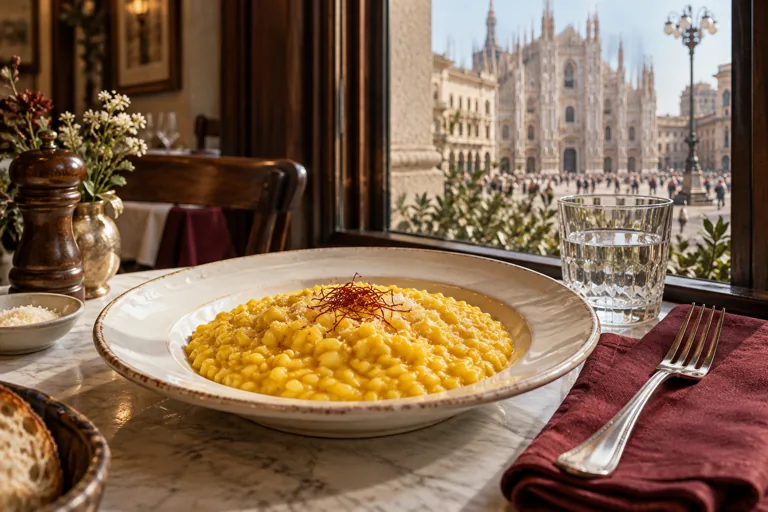
Communicate allergies and other requirements before committing, and ask whether the experience can genuinely accommodate them. A dish that appears meat-free may involve stock or other ingredients you would not infer from a photograph. The official risotto description is one reminder that recognizable local dishes can contain ingredients that matter to different diets.
Do not rely on a generic vegetarian or adaptable label when you need a precise answer. Confirm the arrangement with the provider and again with the people serving or teaching. If accommodation would substantially change the experience, decide whether that version still appeals to you. Clear expectations make the activity more relaxed for guests and hosts alike.
Place it deliberately in the day
A substantial cooking class or tasting tour can serve as the day’s main meal, but only if the stated food arrangements support that expectation. Check the start and finish times before scheduling another reservation. Leave room afterward for an easy walk or rest instead of immediately demanding another concentrated museum visit. Learning, eating and socializing all use energy, even when they are enjoyable.
Compare the Milan dining collection by format before sorting by price. Our Milanese table guide gives the food a wider context, and the aperitivo article explains a different kind of social pause. The best choice is the one that lets you participate comfortably and leave with something specific: a technique, a flavor, a neighborhood story or the confidence to ask better questions at your next meal.
After the experience, note one technique or ingredient question to explore later. If recipes are provided, read them while the explanation is still fresh and clarify anything you do not understand before leaving. A small, usable piece of learning often lasts longer than the excitement of making several dishes that you cannot confidently repeat.
Sources & further reading
Turn a good read into a great day.
Find a highly rated Milanese experience that brings these stories to life.
Explore related experiences →