Two days in Milan: how to balance the landmarks and the neighborhoods
Two days in Milan give you room to move beyond a single central circuit, but only if you resist doubling the pressure of a one-day checklist. Choose two substantial priorities across the stay, then build contrasting chapters around them. Architecture, paintings, food and neighborhoods each use attention differently. The variation is what can make the visit feel full without making it exhausting.
Arrange the hardest reservation first. If Leonardo’s Last Supper is essential, work with the confirmed appointment and the museum’s current arrival instructions. If the Duomo terraces are your priority, choose the exact access you want. Do not assign those experiences to an idealized timetable and only afterward discover that the bookings available require a different order.
Day one: establish the centre
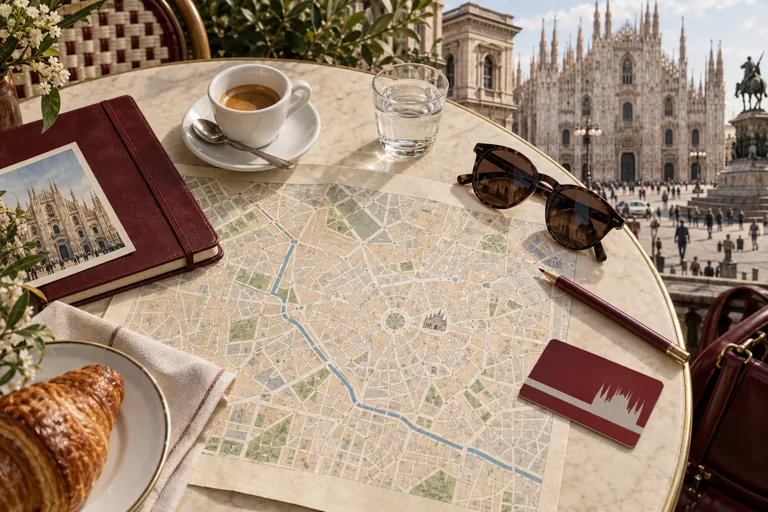
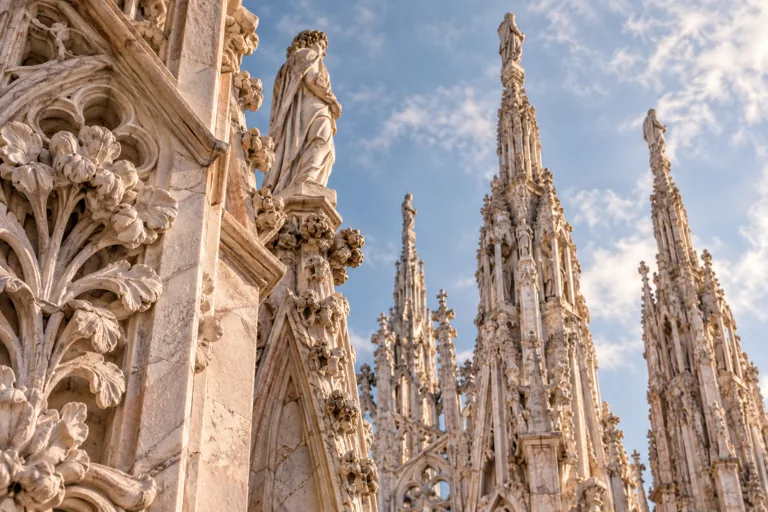
Use the first day to understand central Milan through one main visit and a manageable walk. The Duomo and Galleria provide a strong architectural pairing, with very different relationships between enclosed and open space. Give the cathedral the time its selected format requires, then allow the arcade and nearby streets to become a relaxed continuation rather than another timed task.
Our first-day guide offers a flexible structure. Adjust it around your accommodation and meeting point rather than copying a route mechanically. Leave time for lunch before everyone is tired enough to choose only by proximity. A meal is part of how a city is experienced, not merely a necessary interruption between cultural achievements.
Let Brera be an afternoon choice
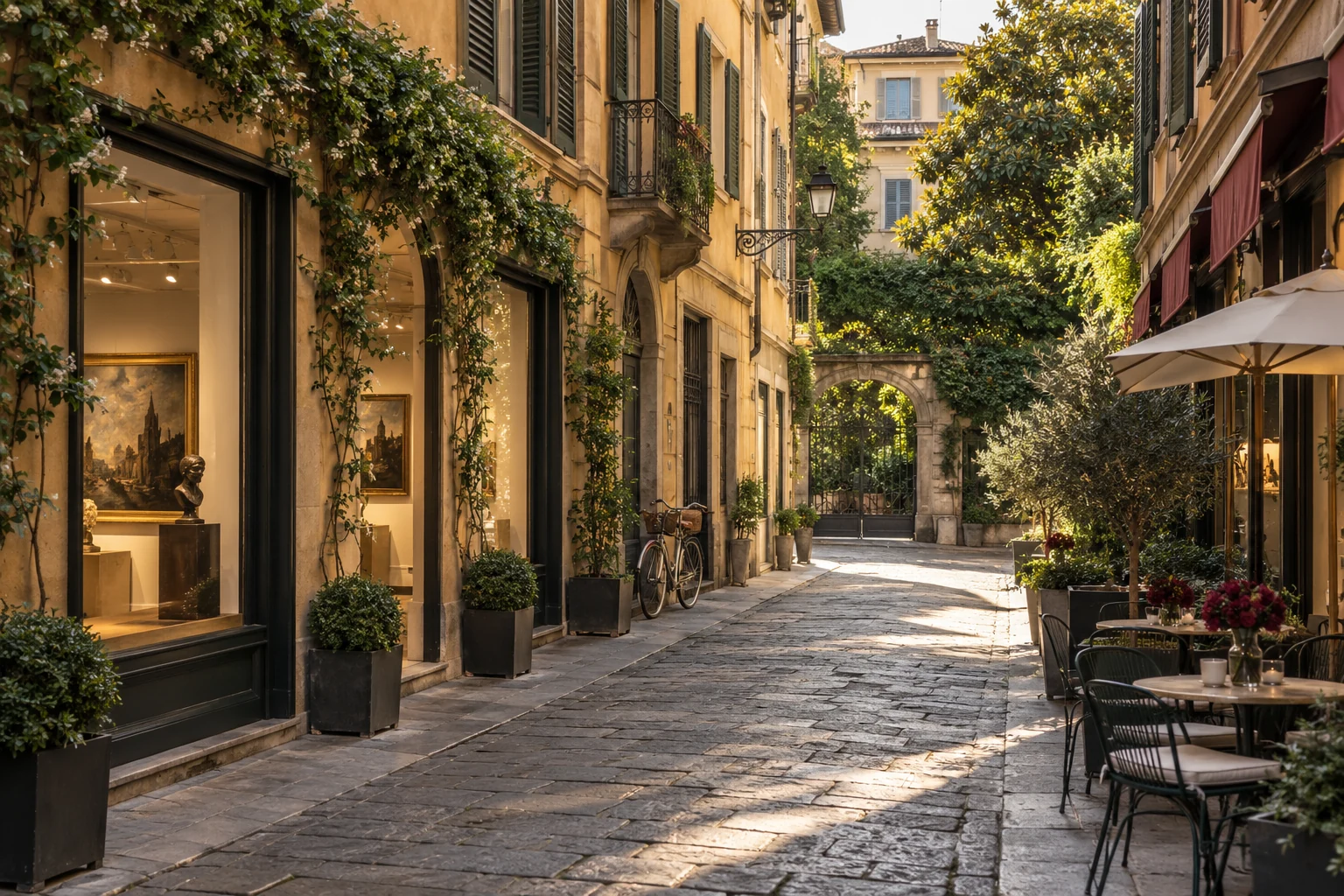
Brera can supply either a substantial gallery visit or a gentler neighborhood chapter. Decide which one fits the energy left after the morning. If paintings are a central interest, the Pinacoteca deserves deliberate attention; if you have already absorbed a great deal, streets and a café pause may be the better use of the afternoon. You can return to the museum on the second day if the wider plan allows.
Keep the first evening relatively uncomplicated. A neighborhood dinner or an early aperitivo can be more enjoyable than another long transfer. Travel is not improved by finishing every day at the limit of your stamina. Rest leaves you able to notice the differences that make the second day worthwhile instead of approaching it as a recovery exercise.
Day two: choose a different scale
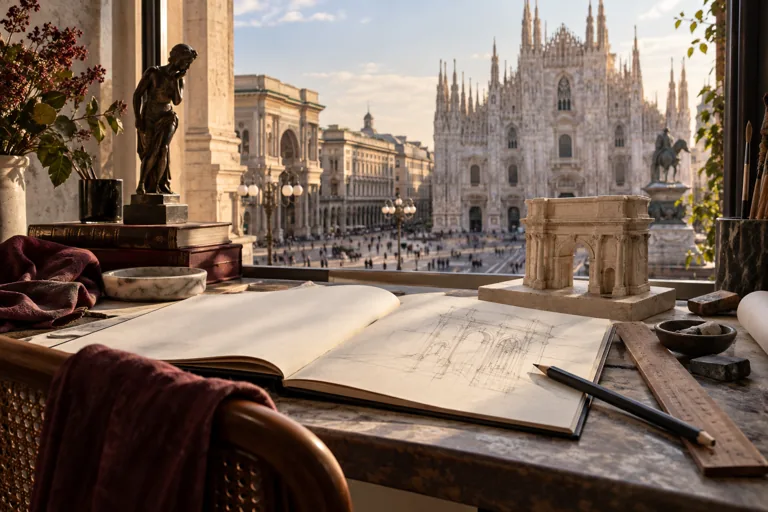
The castle and Parco Sempione offer a natural contrast to the cathedral-centred day. You might choose one museum collection, spend time reading the architecture and then take a proper outdoor pause. Alternatively, a design-focused visit at Triennale can change the visual language completely. Consult the current programme before deciding that a particular display is available.
A food walk or cooking class can also be the second day’s main event. Consider what you want to learn and how much walking or standing the format involves. Our comparison guide helps make that choice. Do not add a large lunch immediately before a tasting itinerary unless you have checked how substantial the food will be.
Give the final evening a distinct mood
The Navigli can make a pleasant ending if you want the trip to finish around water and conversation. Start with a short walk and choose a stop according to atmosphere, budget and appetite. The city’s neighborhood guide provides context, while your current transport plan should determine a comfortable route back.
Keep a Lake Como excursion as a separate decision rather than a default requirement for a two-day stay. Leaving Milan for a full day changes the balance substantially. Our regional journeys may suit a longer visit, but the city offers enough depth to reward both days. Compare local experiences, then leave some space between them. A successful two-day trip has a recognizable rhythm: one thing you came for, another you did not expect, and enough unhurried time for both to remain distinct in memory.
Keep a short optional list separate from the two main priorities. Use it only when there is real time and interest left, rather than treating it as a hidden set of obligations. This distinction makes a two-day plan resilient: a delayed arrival or an unexpectedly absorbing museum changes the order without making the entire visit feel incomplete.
Sources & further reading
Turn a good read into a great day.
Find a highly rated Milanese experience that brings these stories to life.
Explore related experiences →