Milan design beyond shopping: how to look at everyday objects
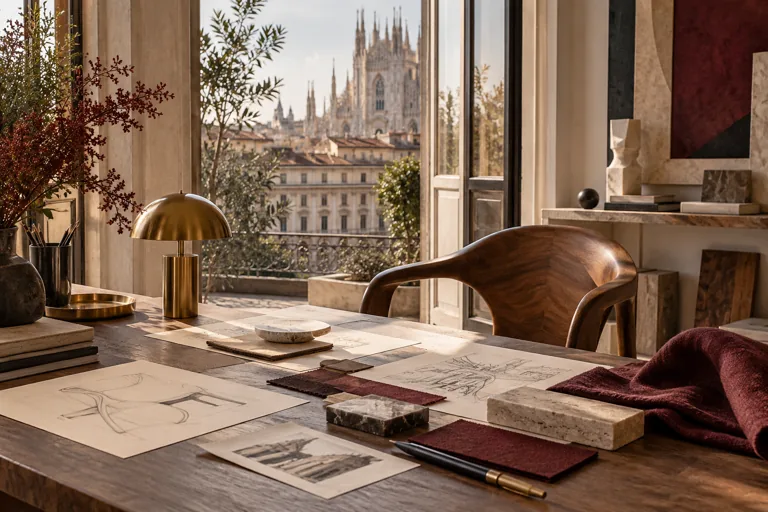
You can enjoy Milan’s design culture without buying anything. Begin by asking how an object works, what it is made of, and what kind of life it seems to imagine for its user. A chair, lamp or handle can invite as much attention as a painting when you take those questions seriously. The pleasure lies in noticing decisions that normally disappear into everyday use.
That approach also keeps design from becoming merely a synonym for expensive taste. An object can be beautiful, awkward, ingenious, playful or several of those things at once. Looking closely does not require you to approve of it. A useful visit allows disagreement and curiosity, especially when something familiar has been solved in a way you would never have expected.
Start with a collection, not a shopping list
The Museum of Italian Design at Triennale presents objects in relation to ideas, industry and society. It offers a structured setting for discovering that design history concerns more than the appearance of individual things. Check the current programme before visiting, because permanent collections and temporary exhibitions may involve different routes and ticket arrangements.
Choose a few objects that make you want to ask questions. What is the intended action: sitting, reading, carrying, storing? Does the material support that action or challenge your expectations? Where would the object belong in a room? These are interpretive questions, not a test. A museum label may provide historical context, but it need not replace your own investigation of what you can see.
Notice material before reputation
Before reading the maker’s name, look at surfaces, joints and proportions. Imagine how a hand would meet the object, while respecting rules against touching. Consider weight and balance as visual questions even if you cannot physically test them. This small exercise helps prevent a famous name from doing all the work of appreciation before you have looked at the design itself.
Compare two solutions to the same ordinary need. One may emphasize simplicity, another expression or adaptability. Ask which would fit the way you live and why. Your answer may change after learning about the original context. That change is part of the value of a design collection: it makes everyday assumptions available for discussion instead of leaving them invisible.
Put objects back into a wider world
Triennale’s history of its design collections traces the institution’s developing engagement with industrial design. Use that as a reminder that objects emerge from relationships among designers, manufacturers, materials and users. The lone creative genius is rarely the only useful story, however attractive that story may be in a short caption.
When a display explains a production method or intended audience, connect it with what you noticed. Would the design change if the material were different? Is it made for one fixed setting or for repeated use in many places? You do not need technical training to ask these questions. They simply turn the object from a photographable shape into evidence of choices and constraints.
Continue looking in the city
After the museum, take the same attention to a café, a tram stop or a shop window. Notice how signs organize information and how seating encourages particular patterns of use. Stay respectful of private property and other people. A public-facing display invites looking, but it does not make every interior or working space available to wander through.
The Parco Sempione guide offers a gentle outdoor counterpoint, while Brera’s paintings provide another way to think about material and composition. Browse Milan’s arts experiences for guided cultural visits, checking the actual venue and admission inclusions. A design-focused day need not end with a purchase. It can end with a more interesting relationship to the objects you already use, which is a surprisingly durable souvenir.
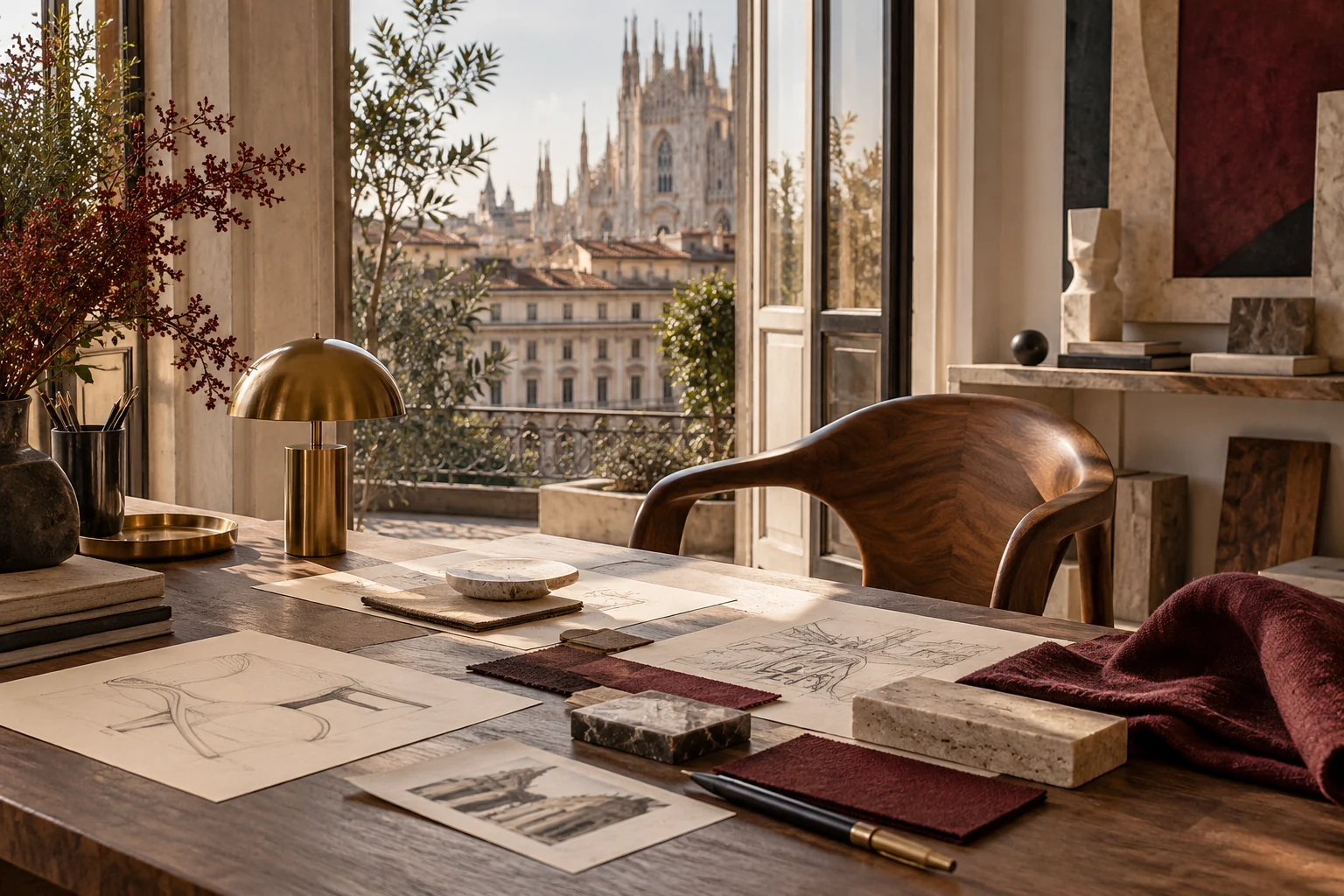
If you sketch, use the activity to investigate a shape rather than to produce a polished drawing. A few lines showing proportion or the position of a joint can reveal something a quick photograph misses. Follow museum rules on materials and where you may stop, and remember that the sketch is a thinking tool, not another performance to perfect.
Sources & further reading
Turn a good read into a great day.
Find a highly rated Milanese experience that brings these stories to life.
Explore related experiences →